SUBSTANCE ABUSE
Substance addiction is a brain disease, not a moral failure.
addicts reach out for treatment when they need it
million Americans meet the criteria for addiction
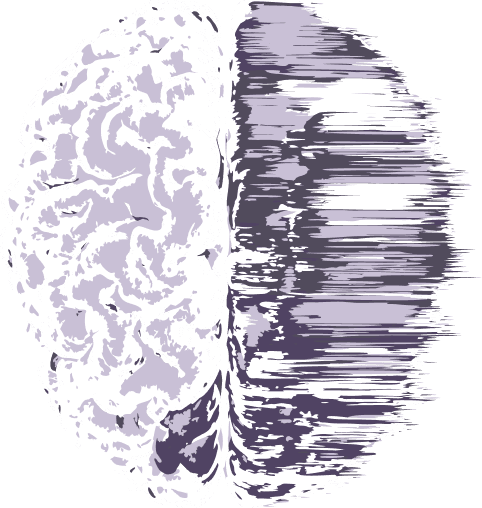

Alcohol and drugs don't just make you feel good — they fundamentally rewire your brain's reward system. Substances flood the brain with dopamine at levels far beyond what natural experiences produce. Over time, your brain compensates by reducing its sensitivity, which means you need more just to feel normal. This is tolerance.
Dependence can be physical or psychological. Physical dependence means your body has adapted to a substance, and stopping may cause withdrawal symptoms. Psychological dependence means feeling unable to function or cope without it. Both are real and deserve compassionate treatment. Struggling to stop isn’t a character flaw — it’s biology.
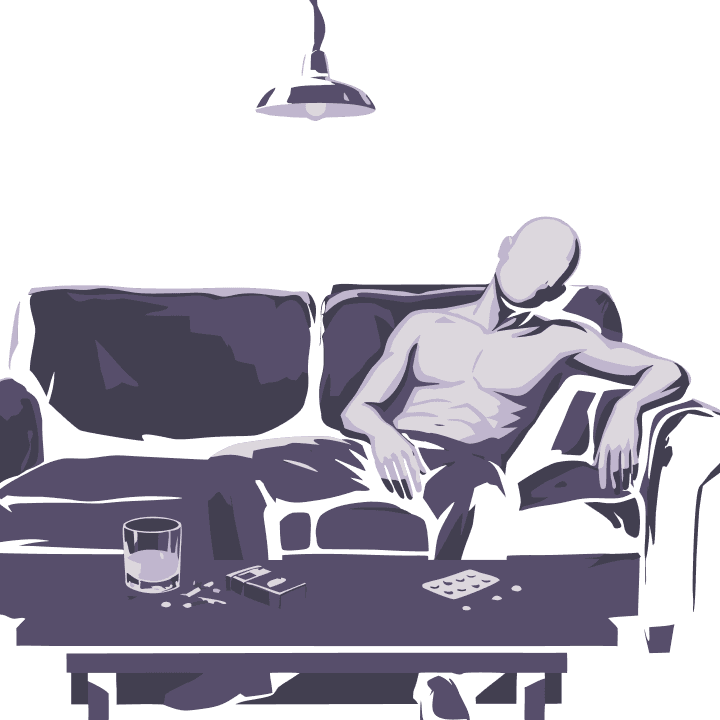
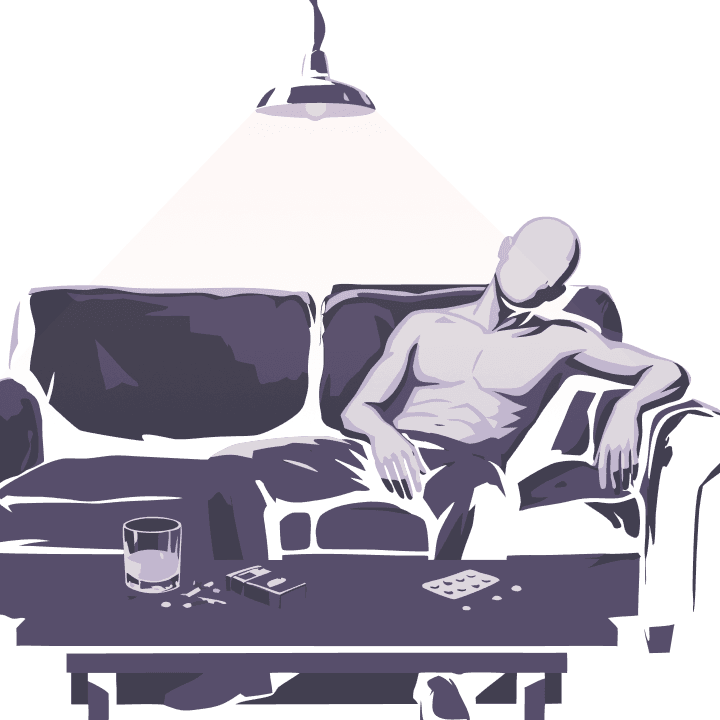

You need more alcohol or drugs than you used to, to achieve the same effect
You continue using even when it causes problems at work, home, or in relationships
You hide your use from the people who know you best
You have tried to cut down or stop, but can't seem to stay stopped
You experience withdrawal symptoms when you stop — shaking, nausea, sweating, anxiety
You spend a significant amount of time obtaining, using, or recovering from the substance
Hobbies and people that used to matter feel less important than using
.png&w=3840&q=75)
.png&w=256&q=75)
.png&w=3840&q=75)
WHAT FAITH SAYS
Isaiah 41:10
God does not abandon you in your weakest moment. The word “uphold” in that verse is a posture of active support — not a distant hope, but a present reality. When you cannot hold yourself up, something else is holding you.
Faith-based recovery doesn't mean praying away a medical condition. It means bringing your whole self — broken biology and all — into a relationship that doesn't require you to be better before you come.
.png&w=3840&q=75)
If you are physically dependent on alcohol, benzodiazepines, or opioids, stopping abruptly can be dangerous. Please speak to a doctor or go to an ER before stopping cold turkey. Safety first.
Addiction specialists and therapists can help you understand the triggers, traumas, and patterns that maintain your use. Faith and medicine work together, not against each other.
Alcoholics Anonymous and Narcotics Anonymous have supported millions. Their 12-step model emphasizes a higher power and community. Locate a meeting at aa.org or na.org.
For opioid and alcohol addiction, medications like naltrexone or buprenorphine are evidence-based and life-saving. Using them is not cheating on recovery — it is good medicine.

Celebrate Recovery operates in churches globally, tackling various compulsive behaviors with a Christ-centered approach.
TALK TO OUR HOPE AGENT
You are not alone. Please call or text 1800-891-4416 — Tele-MANAS (India) or 988 (US)